Eco friendly gardening for Collier Row Park homes gardeners
If you want a garden that looks good, feels calm, and does not cost the earth to maintain, eco friendly gardening for Collier Row Park homes gardeners is a smart place to start. The idea is simple enough: work with nature instead of fighting it. Use less water, build healthier soil, reduce waste, and make choices that support wildlife as well as your own outdoor space. In practice, that can mean anything from swapping chemical-heavy products for gentler alternatives to choosing plants that cope better with local conditions. It is not about turning your garden into a wilderness. Far from it. It is about making small, sensible changes that add up.
For many homes around Collier Row Park, the challenge is balance. You want a tidy garden that suits family life, looks welcoming, and does not become a weekend burden. At the same time, you may want to cut down on waste, keep maintenance manageable, and avoid unnecessary damage to the soil and the wider environment. This guide walks through the methods, benefits, common mistakes, practical steps, and a few expert habits that make all the difference.
Practical summary: start with soil health, reduce waste at source, water intelligently, plant for resilience, and keep maintenance light but consistent. That is usually where the real gains happen.
- Learn what eco friendly gardening actually means in a home setting
- See how it works through day-to-day garden decisions
- Compare different methods before spending money
- Use a checklist to make your garden greener without overcomplicating it
Why Eco friendly gardening for Collier Row Park homes gardeners Matters
Eco friendly gardening matters because your garden is part of a bigger system. Soil, insects, birds, hedges, rainfall, shade, root structure, waste handling, even the way you mow the lawn - it all connects. If one part is overworked or treated harshly, the rest tends to follow. A lawn that is stripped back too often becomes thin. Soil that is constantly disturbed loses structure. Heavy watering can encourage shallow roots. It is a bit like house maintenance, really: the less damage you create in the first place, the less repair work you need later.
For Collier Row Park homes gardeners, that matters for a few grounded reasons. First, small domestic gardens often need efficient use of space. You may have borders near fences, compact lawns, paved areas, or mixed-use spaces with children, pets, or outdoor seating. Second, urban and suburban gardens can get stressed by heat, compacted ground, and uneven drainage. Third, many homeowners are now looking for lower-input gardening, not just because it feels greener but because it is usually less demanding to keep up. Truth be told, a garden that needs less rescue work is often the one people actually enjoy.
There is also the wildlife angle. Even a modest garden can support pollinators, birds, and beneficial insects if you leave a few corners less manicured, plant flowering species through the seasons, and avoid blanket treatments that wipe everything out. That does not mean letting things run wild. It means being a little more selective. A tidy garden can still be habitat-friendly. Why not have both?
If you prefer to work with a gardener rather than tackling it all alone, it helps to choose a team that understands sustainable practices. Pages like gardening services and regular garden maintenance can be useful starting points when you want a more structured approach without losing the eco-friendly angle.
How Eco friendly gardening for Collier Row Park homes gardeners Works
At its heart, eco friendly gardening works by reducing inputs and improving natural resilience. That sounds a bit tidy on paper, but the real-world version is nicely practical. Instead of relying on quick fixes, you build a garden that can cope better on its own. You improve soil so it holds moisture and nutrients. You choose plants suited to the site. You mulch to suppress weeds and reduce evaporation. You manage pests by encouraging balance, not by treating every problem as a crisis.
The most effective eco-friendly gardens are usually the result of many small decisions, not one big transformation. For example, switching to hand weeding in borders, mowing a little less aggressively, and leaving clippings where appropriate can all reduce waste and feeding requirements. Adding compost improves structure and helps the soil retain water. Replacing thirsty planting in sunny spots with more resilient options can reduce pressure through the summer months. Around late spring and into summer, those choices become very visible. Beds hold moisture better. Plants wilt less quickly. And the whole garden feels more stable.
There is a design side too. Sustainable gardening is not only about materials, it is about layout. A well-placed hedge can act as a windbreak. A shaded corner can be used for moisture-loving plants. A path or patio can be cleaned and maintained without harsh chemicals. If a larger redesign is needed, a broader landscaping plan can help you shape the space around eco-friendly habits from the start. That is where thoughtful planning matters more than flashy features.
It is also worth saying that eco gardening is not anti-convenience. A sensible system can save you work. For example, a mulch layer cuts down on weeding. Choosing perennials means you replant less often. Grouping plants by water need makes watering easier. Nothing dramatic. Just clever.
Key Benefits and Practical Advantages
The benefits are broader than a cleaner conscience, although that is nice too. The first big advantage is lower maintenance over time. Gardens built on healthy soil and resilient planting tend to need fewer emergency interventions. You spend less time chasing problems and more time enjoying the space. That is not a small thing.
Another benefit is better long-term appearance. A garden that is constantly overfed or over-watered can become soft and unreliable. In contrast, eco-friendly methods often create stronger plants with more natural form. Leaves look healthier. Colour lasts better. The garden has a calmer, more settled feel. Not flashy. Just good.
There is also a cost angle. While some sustainable upgrades involve an initial spend, many eco-friendly changes reduce ongoing costs. Less water use, fewer chemical products, less waste removal, and fewer reactive repairs can all help over time. If you are planning a seasonal tidy-up or a larger refresh, it can be sensible to compare maintenance options with a practical budget in mind. A quick look at pricing and quotes can help you judge what is realistic before committing.
Environmental benefits are the obvious headline, but there are quieter ones too. Gardens managed more gently often smell better after rain, feel more alive underfoot, and attract more useful wildlife. You notice things. A bee working through thyme. The rustle of a hedgehog-friendly corner, if you are lucky. The softer soundscape matters more than people expect.
- Healthier soil structure and better moisture retention
- Reduced waste from clippings, branches, and packaging
- Lower dependence on chemical treatments
- Improved wildlife value without sacrificing order
- Less repetitive work across the seasons
Who This Is For and When It Makes Sense
This approach suits a wide range of households, but it is especially useful if you want a good-looking garden that does not need constant input. Families often like it because it keeps outdoor spaces practical and safer for children and pets. Older homeowners may prefer it because it reduces heavy upkeep. Busy professionals like it because the garden stays manageable when time is tight. And if you simply enjoy a neater, more natural look, well, that works too.
It makes particular sense if your garden has one or more of these traits:
- Patchy lawn areas that need repeated repairs
- Flower beds that dry out quickly in summer
- Overgrown corners that generate too much waste
- Patios or paths that need cleaning without harsh products
- Hedges or trees that cast strong shade
There are also moments when it is worth bringing in outside help. If a garden has become cluttered after a long winter, or if you are rethinking the layout after moving in, a professional clearance or redesign can prevent you from making rushed decisions. Services such as garden clearance and landscape gardening can be relevant when you need to reset the space before building in sustainable habits.
To be fair, not every garden is ready for a full eco overhaul on day one. Sometimes the first step is just stopping the things that are causing the most strain. That alone can make a noticeable difference.
Step-by-Step Guidance
If you want to make progress without getting overwhelmed, use a staged approach. It is much easier to stay consistent when you can see each stage working.
1. Start with a simple garden audit
Walk around the garden and look for the biggest drains on time, water, and effort. Which beds dry out fast? Where does waste pile up? Which areas are overfed, overwatered, or underused? Take notes. A phone picture or two helps. This sounds basic, but it is often where the best changes begin.
2. Improve the soil before changing everything else
Healthy soil is the backbone of eco friendly gardening. Add compost where needed, avoid compacting wet ground, and try not to over-dig. If you are refreshing borders, mix in organic matter rather than piling on fertiliser. Good soil usually means stronger roots, less watering, and more forgiving planting.
3. Choose plants that suit the site
Match plants to light, wind, and moisture conditions. A sunny bed with free-draining soil should not be treated like a damp shaded border, and vice versa. It sounds obvious, but many gardens struggle because the planting plan ignores the site. Resilient plants are often the most attractive in the long run.
4. Mulch to protect the ground
A mulch layer helps keep moisture in, slows weed growth, and supports soil life. Bark, leaf mould, garden compost, and similar materials all have roles to play depending on the bed. Keep mulch away from stems and trunks. Do not smother everything. A light, even layer is usually enough.
5. Water in a more targeted way
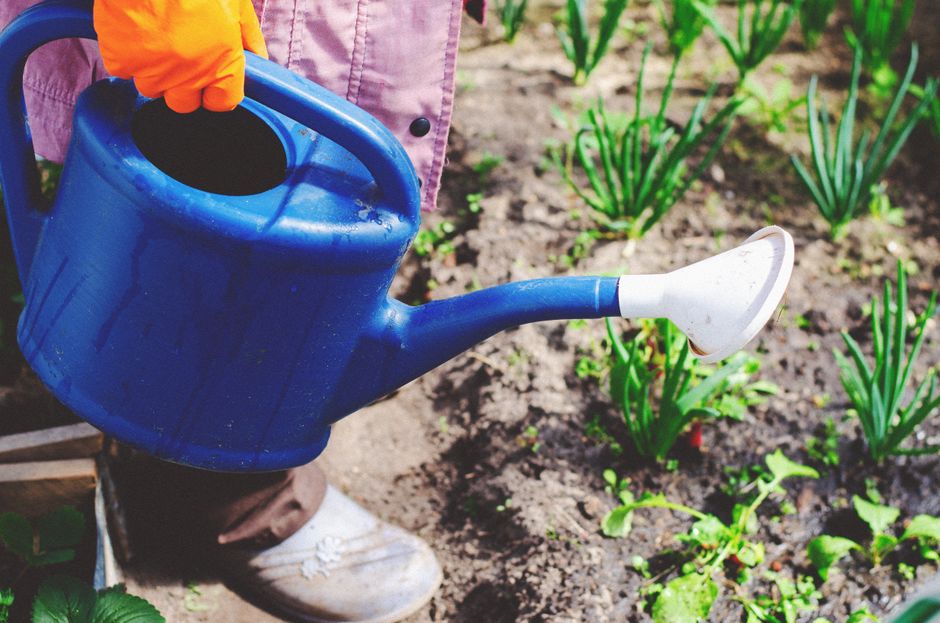
Water deeply but less often, and aim for the root zone rather than the leaves. Early morning or later in the evening can reduce evaporation. Containers often need more attention than borders, so check them properly in warm spells. You will notice quickly which plants are needy and which are surprisingly tough. Gardens are honest like that.
6. Rework mowing and lawn care habits
Lawn care is one of the easiest places to make eco-friendly gains. Raise the mower height a little in dry weather, avoid scalping the grass, and let the lawn recover between cuts. In many gardens, a slightly longer lawn is stronger, cooler, and more drought tolerant. If you want a tidy finish without overdoing it, lawn care and lawn mowing services can help keep the balance right.
7. Reuse, compost, and recycle garden waste responsibly
Leaves, grass clippings, and soft prunings can often be reused or composted rather than bagged up and sent away. Larger woody material may need a different route, but not everything has to become waste. The cleaner you keep your cycle of reuse, the less you rely on outside materials. For a practical approach to responsible waste handling, the page on recycling and sustainability is a sensible reference point.
Expert Tips for Better Results
Small adjustments tend to have the biggest impact. That is the part people sometimes overlook. A few better habits can outperform one expensive purchase.
- Feed the soil, not just the plant. Compost and organic matter create long-term improvement; quick feeds are more like a temporary lift.
- Group plants by water need. It makes irrigation simpler and stops you overwatering everything because one corner looks thirsty.
- Leave a little structure for wildlife. A log pile, a modest wild corner, or a hedge base not cut too harshly can help without making the garden look untidy.
- Use the right tool for the job. Sharp blades, proper secateurs, and well-maintained equipment reduce damage and usually save time.
- Plan around seasonal pressure. Spring growth, summer dryness, and autumn leaf fall each need a slightly different routine.
One of the most overlooked tips is to think about access. If you can move easily through the garden, maintenance becomes less of a chore. That may mean better path edges, improved bed shape, or a small redesign to reduce awkward corners. A few layout changes can make everything calmer. Not glamorous, but very effective.
Another useful habit is to avoid doing too much at once. There is a temptation, especially after a sunny weekend, to tear through a border and repot everything. Then the plants sulk. A more measured approach usually wins.
Common Mistakes to Avoid
Eco-friendly gardening is straightforward in principle, but a few common mistakes can slow everything down.
- Using too much water too often. This encourages shallow roots and weak plants.
- Overfeeding lawns and borders. More fertiliser does not automatically mean better growth.
- Choosing plants for looks only. If they do not suit the soil or aspect, they will struggle.
- Letting mulch sit against stems or trunks. That can trap moisture where it should not be.
- Ignoring lawn compaction. A tired lawn is often a drainage or aeration issue, not just a mowing issue.
- Cleaning hard surfaces with harsh products by default. Patio and paving often respond better to careful, targeted cleaning.
A particularly common slip is trying to make the garden "eco" by adding lots of different features without changing the basics. A rain barrel, a wildlife corner, and a few plants labelled drought-tolerant will not help much if the soil is poor and watering is chaotic. Start with the fundamentals. Then build up.
And yes, sometimes the least green option is the one that seems quickest on a Saturday morning. We have all been there.
Tools, Resources and Recommendations
You do not need a shed full of specialist equipment to garden responsibly. In many cases, a modest set of well-kept tools is enough.
Helpful tools
- A sharp hand trowel and border fork for light soil work
- Pruners or secateurs for clean cuts on smaller stems
- A rake for leaves, light debris, and compost mixing
- A watering can or hose with controlled flow for targeted watering
- A sturdy wheelbarrow or trug for moving mulch and waste
Useful materials
- Garden compost for soil improvement
- Leaf mould for moisture retention
- Mulch suitable to the planting area
- Native or climate-tolerant plants where appropriate
- Simple edging or borders that reduce spill and waste
If you want help with ongoing upkeep rather than a one-off tidy, garden maintenance can support a greener routine by keeping work consistent and preventing the kind of neglect that leads to wasteful catch-up jobs. If hedges, trees, or dense borders are blocking light or crowding planting, hedge trimming and tree surgery may also be worth considering, depending on the condition of the garden.
For safety and trust, it is sensible to check how any gardening provider handles insurance, site safety, and responsible working practices. Pages such as insurance and safety and health and safety policy can help set expectations before any work begins.
Law, Compliance, Standards, or Best Practice
For home gardening, the main thing is to follow good practice and handle materials responsibly. If you are disposing of waste, pruning larger trees, or using powered equipment, care and common sense matter. In the UK, homeowners and service providers are also expected to avoid nuisance, dispose of waste properly, and carry out work safely. Exact duties can vary depending on the task, the property, and who is carrying out the work, so it is best to stay cautious rather than make assumptions.
Practical best practice usually includes:
- Using tools safely and storing them properly
- Keeping walkways clear when work is underway
- Avoiding unnecessary chemical use where gentler methods work
- Separating recyclable garden materials where possible
- Managing trees, hedges, and large branches without creating hidden hazards
If a job is more complex than a standard tidy-up, or if you are unsure about what is safe to tackle, a professional team should be able to explain how they work and what standards they follow. That is where trustworthy service information matters. You may also want to review terms and conditions, privacy policy, and payment and security if you are arranging work with a provider. It is not the glamorous bit, obviously, but it helps everything run cleanly.
Options, Methods, or Comparison Table
If you are deciding how to make your garden greener, it helps to compare the most common approaches side by side. Some are ideal for quick wins; others are better for long-term change.
| Method | Best for | Pros | Watch out for |
|---|---|---|---|
| Mulching beds | Reducing weeds and water loss | Simple, effective, low maintenance | Can look untidy if over-applied |
| Composting | Cutting waste and improving soil | Turns green waste into useful material | Needs space and a bit of routine |
| Resilient planting | Sunny or dry gardens | Lower watering demand, better survival | Needs proper plant selection |
| Reduced mowing | Lawns that dry out or thin quickly | Helps grass recover and saves time | May not suit every formal lawn style |
| Eco-led redesign | Gardens needing a full refresh | Long-term improvement, better layout | Higher upfront effort |
For many homeowners, the best answer is a mix. You might mulch the borders, reduce mowing pressure on the lawn, and rework one problem bed in the first season. That is usually enough to feel the difference without overwhelming the household calendar.
If a redesign is on the cards, landscaping can be the route to a more durable, lower-input garden shape. And if you need a more practical, soft-touch finish around the edges of the property, fencing can help define areas while improving privacy and structure.
Case Study or Real-World Example
Picture a typical suburban garden near Collier Row Park: a small lawn, a couple of overgrown borders, a patio that picks up algae in damp weather, and a hedge that has become a bit too confident. Nothing unusual. The owners want the space to feel calmer and easier to manage, but they do not want a total rebuild.
The first move is usually to clear dead material and shorten back the most dominant growth. That creates light, space, and a bit of breathing room. Next comes soil improvement in the borders, followed by mulching and a better planting mix for the sunny side. The lawn is cut less harshly and treated as a supportive feature rather than the whole show. The patio is cleaned gently rather than blasted or stripped. A few containers are repositioned so they are easier to water and better sheltered from wind. Simple stuff, mostly.
Within a few weeks, the garden does not necessarily look "finished" in the glossy-magazine sense, but it starts to work better. Water stays where it is needed. The lawn recovers. The borders stop drying out as quickly. The owners spend less time firefighting and more time enjoying the garden on an ordinary weekday evening, which is often the real goal anyway.
If the garden needs a bigger reset before those changes can happen, a combination of garden clearance and planned maintenance can create a clean starting point. That first reset is often the hardest bit.
Practical Checklist
Use this quick checklist to keep the approach grounded and manageable.
- Assess the garden's driest, shadiest, and most crowded areas
- Improve soil with compost or other suitable organic matter
- Choose plants that match the light and moisture conditions
- Add mulch to beds where moisture loss is a problem
- Water deeply and less often instead of light, frequent sprinkling
- Raise mowing height if the lawn is struggling in dry weather
- Reuse or compost suitable garden waste
- Trim hedges and trees carefully so they do not dominate the space
- Clean patios and paths using gentler methods where possible
- Review which jobs are worth doing yourself and which need support
Expert takeaway: the best eco friendly gardens are not the most perfect-looking ones on day one. They are the ones that get a little easier to care for every season. That is the real win.
If you are planning a garden refresh and want advice tailored to a real domestic space, it can help to speak with a local team that offers gardening services rather than trying to force a one-size-fits-all solution. The right guidance can save time, money, and a fair bit of frustration.
Get a free quote today and see how much you can save.
Conclusion
Eco friendly gardening for Collier Row Park homes gardeners is not about chasing perfection or turning every border into a nature reserve. It is about making the garden healthier, simpler, and more resilient through everyday choices. Better soil. Smarter watering. More suitable planting. Less waste. A calmer maintenance rhythm. Those are the changes that tend to last.
Start with one area if that feels easier. One bed, one lawn habit, one patch of waste that can be reused instead of thrown away. Then build from there. The garden will tell you what is working. It usually does, if you give it a chance. And when it starts to settle, you notice something small but important: the place feels more yours, and less like a chore.
That is a good feeling on any street, in any season.
Frequently Asked Questions
What does eco friendly gardening mean for a home garden?
It means using methods that reduce waste, support healthy soil, limit unnecessary chemicals, and make the garden more resilient over time. In a home setting, that often includes composting, mulching, smarter watering, and choosing plants that suit the site.
Is eco friendly gardening more expensive?
Not necessarily. Some changes cost a bit upfront, such as compost, mulch, or a redesign. But many eco-friendly habits lower ongoing costs by reducing water use, waste removal, and repeated repair work. Over time, it often balances out well.
Can I still have a tidy garden if I garden sustainably?
Yes, absolutely. Eco-friendly does not mean messy. It usually means being more selective about where you keep things neat and where you allow a little softness for soil health or wildlife. A garden can look polished and still be environmentally sensible.
What is the easiest eco friendly change to make first?
Mulching borders is often one of the easiest and most effective starting points. It helps with moisture retention, weed suppression, and soil health. A close second is adjusting how you water and mow.
Do I need special tools for sustainable gardening?
No special kit is essential. A good set of hand tools, a rake, secateurs, and a watering can or hose with control are usually enough. The bigger difference comes from how you use the tools, not from buying lots of extras.
How do I make my lawn more eco friendly?
Cut it a little higher, avoid overfeeding, water less often but more deeply, and let it recover between cuts. If the lawn is patchy or compacted, a proper lawn care routine can help it become stronger and less thirsty.
What should I do with garden waste?
Where possible, compost suitable material or reuse it as mulch. Larger branches, dense cuttings, or diseased plant material may need separate handling. The important thing is to avoid treating everything as general waste by default.
Are chemicals completely off limits in eco friendly gardening?
Not always, but they should be used carefully and only when genuinely needed. Many garden issues can be managed with better soil care, pruning, spacing, and monitoring. If a treatment is necessary, it is best to use the least disruptive option available.
How often should an eco friendly garden be maintained?
Little and often usually works best. Regular light upkeep is easier on the garden than sporadic heavy work. A consistent maintenance rhythm stops small problems becoming large, wasteful jobs later on.
When should I call in a professional?
If the garden needs a full reset, if trees or hedges are becoming difficult to manage, or if you want a long-term plan rather than quick fixes, it makes sense to bring in help. Services like garden maintenance, hedge trimming, landscaping, and tree surgery can be useful depending on the situation.
Can eco friendly gardening help with a shady or awkward garden?
Yes. In fact, awkward gardens often benefit the most from thoughtful, low-input planning. The trick is to work with light, soil, drainage, and structure rather than trying to force the space into something it is not. That tends to be kinder and more successful.
How do I know if my garden is becoming more sustainable?
You will usually notice less waste, healthier growth, fewer repeated problems, and a lower need for emergency work. The garden may not change overnight, but over a couple of seasons it should feel steadier and easier to manage.